The air inside your home or school may look clean, but it can hold dust, germs, and other tiny things you cannot see. This is called Indoor Air Quality, and it is very important for staying healthy. When the air is clean, it is easier to breathe, sleep, and focus.
One of the main systems that controls indoor air is your heating and cooling system, also known as HVAC. Learning how it works can help you and your family breathe better air every day.
What Is Indoor Air Quality and Why Is It Important?
Indoor air quality means how clean and healthy the air is inside buildings. Good air quality helps people feel comfortable and stay well. Poor air quality can cause coughing, sneezing, headaches, and tiredness. Kids, older adults, and people with asthma can feel sick faster when indoor air is dirty.
Air inside buildings can collect dust, pollen, pet hair, mold, and smoke. Since most people spend a lot of time indoors, clean air matters a lot. This is why heating and cooling systems need to work the right way to protect everyone inside.
How HVAC Systems Help Keep Air Clean?
Your HVAC system does more than warm or cool the air. It also moves air around and cleans it using filters. This process is called HVAC indoor air quality control. When the system works well, it pulls air in, cleans it, and sends it back out so you can breathe easier.
The system uses vents and fans to move air through rooms. This helps stop air from sitting still for too long. Fresh air movement helps lower bad smells and reduces the buildup of harmful particles.
The Role of Air Circulation in Your Building
One important job of an HVAC system is air movement, also called HVAC system air circulation. Good circulation means clean air reaches every room. When air moves properly, it helps keep the temperature steady and reduces damp areas where mold can grow.
If circulation is weak, dust and germs can stay in the air longer. This can make rooms feel stuffy and uncomfortable. Clean vents and working fans are needed to keep air moving the right way.
When HVAC Systems Can Cause Problems
Sometimes, HVAC systems can make air quality worse instead of better. This often happens when systems are not cleaned or fixed on time. Dirty filters can send dust back into the air. Wet parts inside the system can grow mold.
This can affect residential indoor air quality in homes and apartments. Families may notice more allergies or bad smells. Regular care helps prevent these problems and keeps the air safer to breathe.
Air Quality in Big Buildings and Offices
Clean air is just as important in schools, stores, and offices. In these places, many people share the same air. This is called commercial indoor air quality. When air is not cleaned well, germs can spread faster, and people may feel tired or sick.
Large buildings need strong HVAC systems that are checked often. Good air helps workers focus, and students learn better. Clean air also helps businesses create a healthier space for everyone.
Simple HVAC Air Quality Solutions
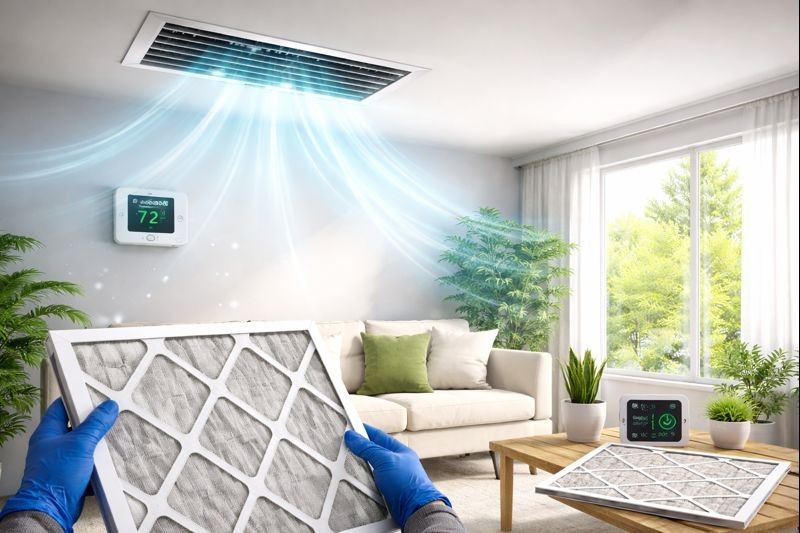
There are easy ways to make the air cleaner using HVAC air quality solutions. One of the best steps is changing air filters often. Filters catch dust and pollen before they spread. Better filters can catch smaller particles.
Another helpful step is adding air cleaners or UV lights inside the system. These tools help kill germs and reduce bad smells. Opening fresh air vents and keeping ducts clean also improve air quality over time.
Why Regular HVAC Service Matters?
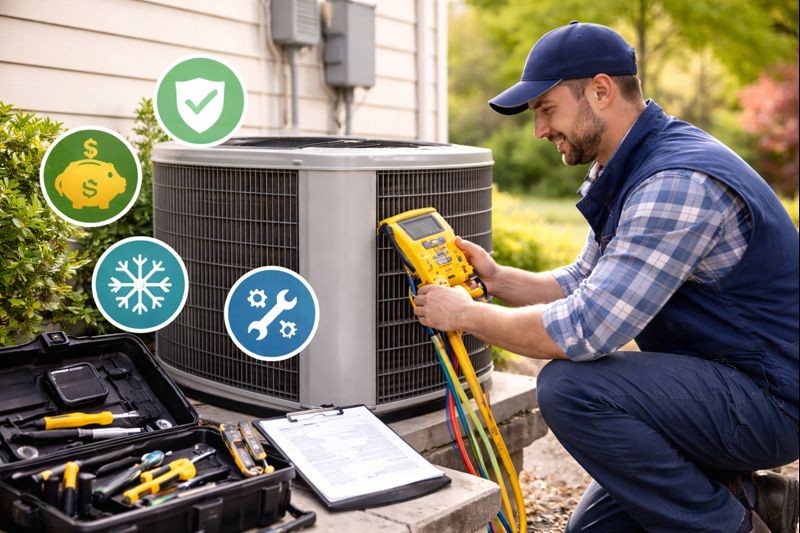
Taking care of your HVAC system keeps it working safely and correctly. Trained technicians can clean parts, fix problems, and check airflow. Choosing the best HVAC repair services helps protect your health and keeps systems running longer.
Regular service saves money, too. Clean systems use less energy and break down less often. Most importantly, they help keep indoor air clean for families and workers every day.
Breathe Better With the Right HVAC Care
Clean indoor air helps people feel better, stay healthy, and enjoy their space. Your HVAC system plays a big role in this by cleaning, moving, and controlling the air. With proper care and smart upgrades, it can greatly improve indoor comfort. At Netherland Air Conditioning, we believe everyone deserves clean and healthy air. We work hard to improve Indoor Air Quality in homes and businesses using trusted solutions and expert care. If you want safer air and a better HVAC system, we are ready to help you breathe easier.
Common Questions People Ask About HVAC and Air Quality
Q1: Does HVAC improve indoor air quality?
Yes, when it is clean and working well, it filters air and removes many harmful particles.
Q2: Can an HVAC system make indoor air quality worse?
Yes, if filters are dirty or parts are broken, it can spread dust and mold.
Q3: What HVAC filter is best for indoor air quality?
Filters with higher ratings catch more dust and allergens and work best for clean air.
Q4: How can I improve air quality in my home with HVAC?
Change filters often, keep vents clean, and schedule regular system checkups.
Q5: How often should HVAC filters be changed for clean air?
Most filters should be changed every one to three months, depending on use.