Let’s face it. No one wants their heat to give up on the coldest winter night. That’s a straight-up nightmare. That’s why fall is the perfect season to handle Preventative HVAC Maintenance. The weather is mild, so your system isn’t under major stress. You’re not blasting the AC or cranking the heat. Because of that, it’s the smartest time to schedule service and fix any small issues before they turn into big, expensive problems.
This guide is super easy to understand. When you take care of your HVAC system ahead of time, winter becomes no big deal.
Benefits of Preventative HVAC Maintenance
Doing maintenance before the cold hits helps your system run smoothly. It keeps energy bills low and stops surprise repairs. Also, regular service keeps your indoor air clean. That’s huge if someone in your home has allergies.
More importantly, fall maintenance helps your HVAC system last longer. You paid good money for it, right? So protecting it just makes sense.
Plus, scheduling early means you’re not waiting weeks for an opening while everyone panics in December. A calm season means faster service and less stress.
Essential HVAC Maintenance Tips
Use these simple HVAC maintenance tips to get started:
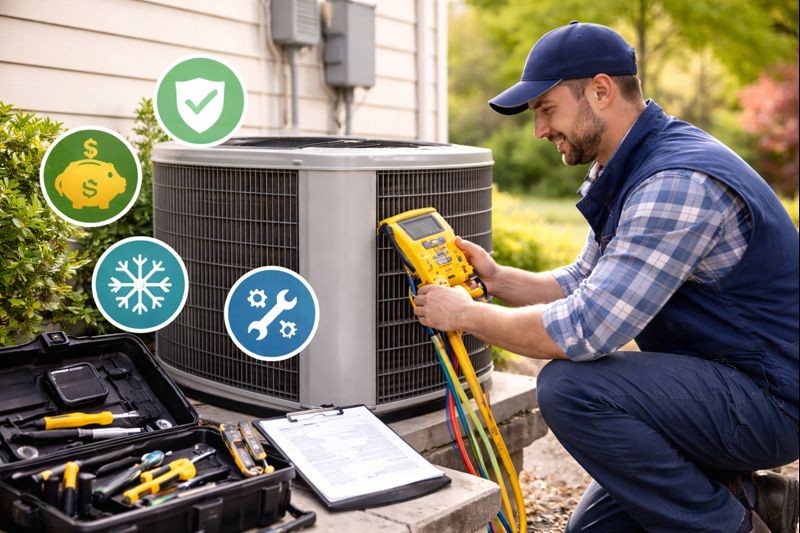
- Replace air filters every 1–3 months.
- Keep outdoor units clear of leaves and dirt.
- Check vents to make sure nothing is blocked.
- Listen for weird sounds from your system.
- Look for uneven heating or airflow changes.
These tips are small steps but make a huge difference in performance. And spoiler alert: waiting until something breaks will always cost more.
Why HVAC System Inspection Matters
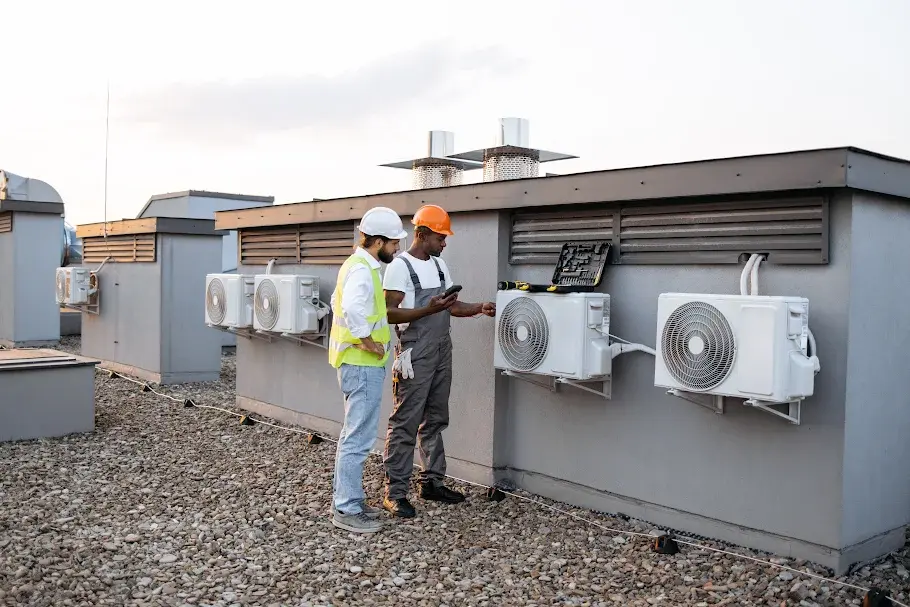
A full HVAC system inspection can find problems that you may not notice at all. Technicians inspect electrical parts, thermostats, safety controls, airflow, and furnace burners. If something seems off, they fix it before it snowballs.
Inspections also help improve indoor comfort. No cold spots. No dusty air. No strange burning smell the first time you turn on your heat. Regular inspection keeps the system clean and safe.
When to Call HVAC Installation Experts or an HVAC Repair Company
Sometimes you need more than basic maintenance. If your system is older, making loud noises, or struggling to heat or cool, reach out to a trusted HVAC repair company. If the unit is old and constantly breaking down, it might be time to talk to HVAC installation experts to replace it. A new system may save more money than endless repairs.
Professional hvac repair services also help prevent emergencies by spotting worn-out parts early. Calling for help when you notice small issues can protect your home and wallet.
Key Takeaway
Fall is the ideal time to prepare your heating system for winter. Prevent issues, save money, boost efficiency, and enjoy peace of mind. Don’t wait until freezing temperatures remind you the hard way.
The End Note!
At Netherland Air Conditioning, we believe fall maintenance is a key part of responsible home care. Taking action early keeps your system dependable and ready for whatever winter throws your way. With Preventative HVAC Maintenance, smart planning always beats emergency repairs. Stay warm, stay prepared, and trust the process, your home comfort depends on it.
Frequently Asked Questions
Q1: What time of year is best for HVAC service?
Fall and spring are the best seasons because the weather is mild and schedules are more open.
Q2: What’s the best HVAC maintenance schedule?
Twice a year. Once before winter and once before summer.
Q3: During which season would it be best to schedule maintenance for a heating system?
Fall is the best time to check heating systems before winter temperatures drop.
Q4: Is HVAC preventative maintenance worth it?
Absolutely! It reduces breakdowns, lowers energy bills, and extends the life of your system.
Q5: When should I schedule furnace maintenance?
Schedule furnace maintenance in early fall before you start using heat regularly.
Q6: What should your thermostat be set on during the winter months?
Around 68°F during the day is usually comfortable and energy-efficient. Slightly lower at night can save extra money.